Table of Contents
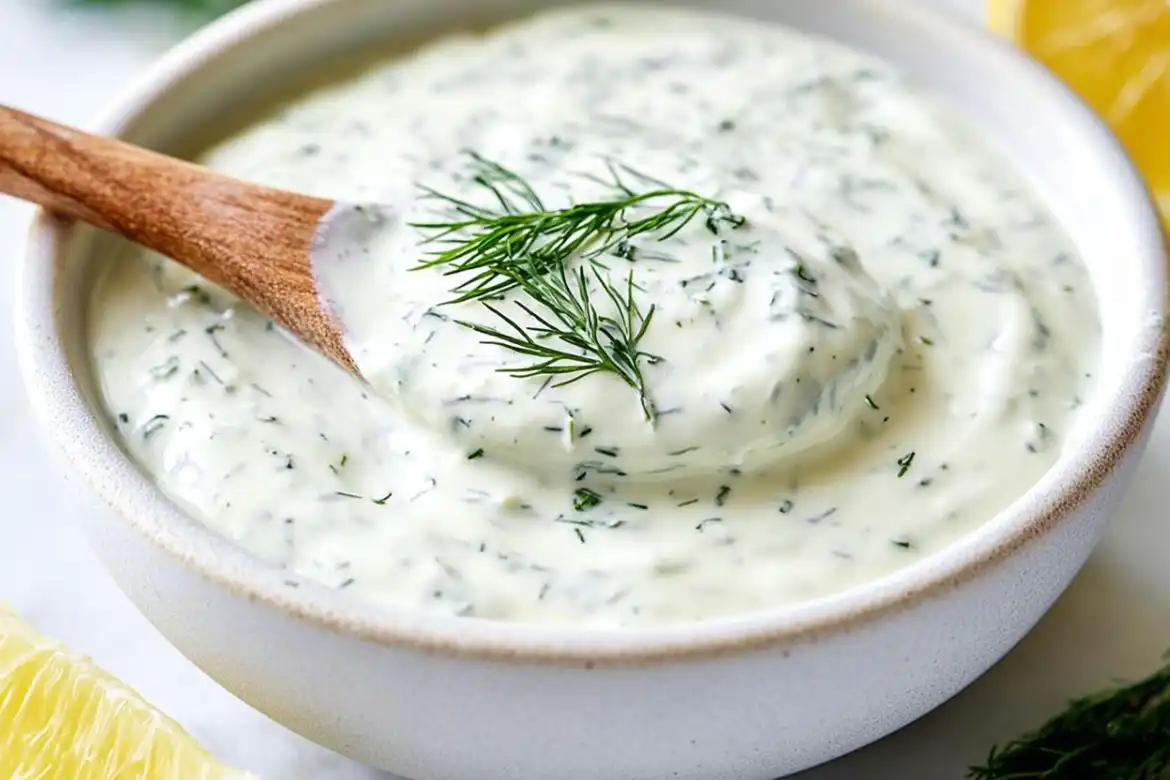
Dill sauce is a bright, tangy condiment made from sour cream, mayonnaise, and fresh dill that transforms any meal. This creamy sauce combines cool, herbaceous dill with zesty lemon juice for a flavor profile that complements seafood, grilled vegetables, and roasted meats. Whether you’re preparing a weeknight dinner or hosting guests, this simple dill sauce takes just five minutes to prepare and delivers restaurant-quality results every time.
| Prep Time | 5 minutes |
|---|---|
| Cook Time | 0 minutes |
| Total Time | 5 minutes |
| Servings | 8 servings (makes approximately 3/4 cup) |
| Difficulty | Very Easy |
| Cuisine | International |
Why This Recipe Works
I first learned to make dill sauce while working with Scandinavian recipes, and I’ve been refining it for years. The combination of sour cream and mayonnaise creates a rich, creamy base that holds up beautifully against acidic lemon juice and fresh dill. Sour cream brings authentic tang, while mayo adds smoothness and helps the sauce coat food evenly.
The secret to an exceptional dill sauce lies in balancing three key elements: the creamy base, fresh herbs, and bright acidity. When these components work together, you get a versatile sauce that enhances rather than overwhelms. I always taste and adjust the seasoning before serving, which ensures the sauce matches your specific ingredients and preferences perfectly.
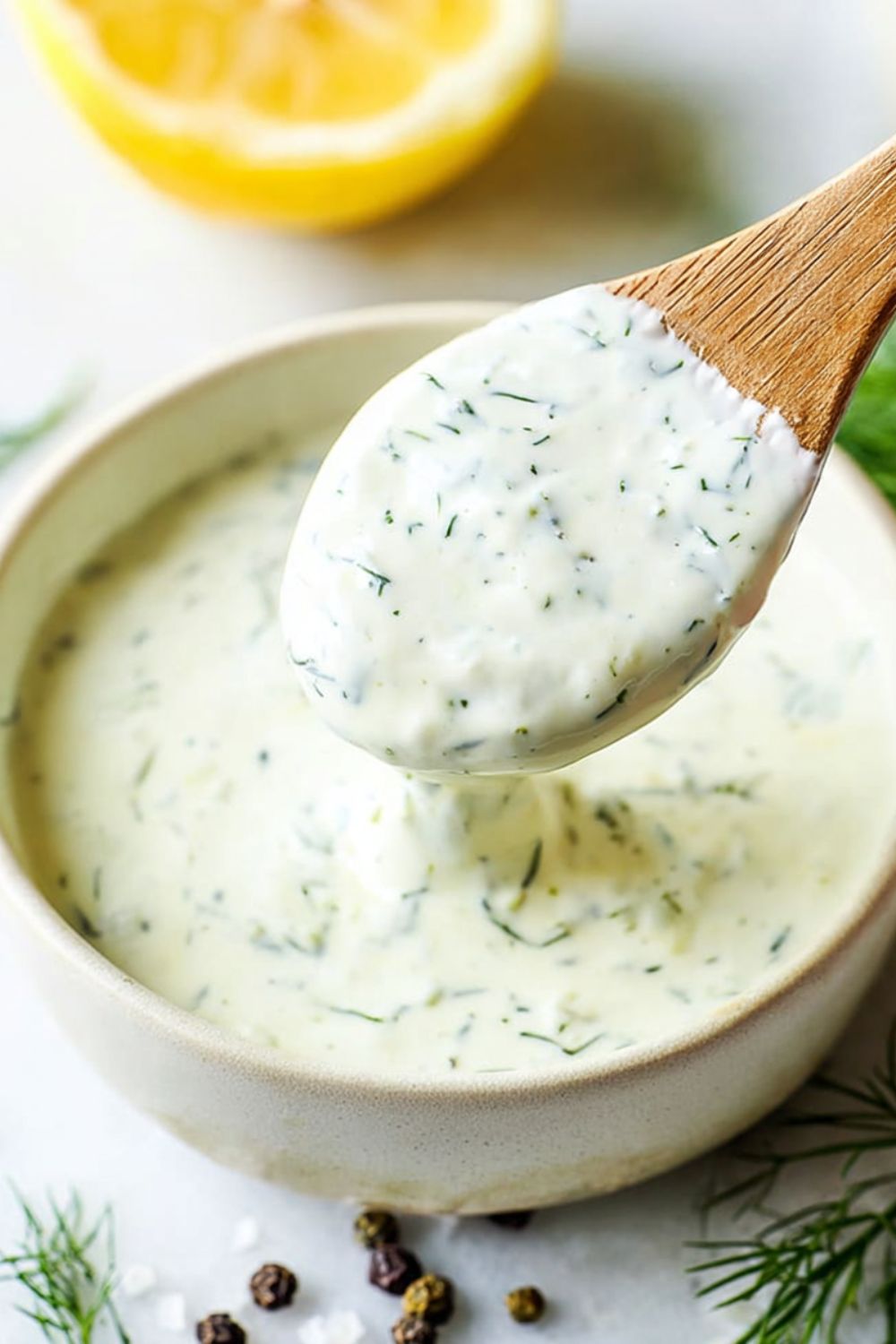
Fresh dill is non-negotiable here. Dried dill loses its delicate, aromatic qualities and produces a flat, dusty flavor that falls short of the original’s brilliance. The lemon zest adds subtle citrus complexity that lemon juice alone cannot achieve, making this sauce far more sophisticated than basic herb mixes.
Ingredients
| Ingredient | Quantity | Notes |
|---|---|---|
| Sour cream | 1/2 cup | Full-fat preferred for richness. Substitute with plain yogurt for tangier flavor, or Greek yogurt for thicker consistency. Vegan yogurt works for dairy-free version. |
| Mayonnaise | 1/4 cup | Use quality store-bought or homemade mayo. Avocado mayo adds subtle richness. For vegan option, use vegan mayo. |
| Garlic clove | 1 small, finely minced | Alternatively use 1/2 teaspoon garlic powder or onion powder for mild flavor without raw garlic bite. |
| Fresh dill | 3–4 tablespoons, chopped | Never use dried dill for this recipe. Dill fronds should be finely chopped to distribute evenly throughout sauce. |
| Lemon zest | 1 teaspoon | Optional but recommended for complexity. Use microplane for finest zest. Skip if using dried lemon instead. |
| Lemon juice | 1–2 teaspoons | Adjust amount based on yogurt choice. Yogurt is tangier, so start with 1 teaspoon. Add more juice to taste. |
| Salt | To taste | Add after tasting final mixture. Sea salt or kosher salt recommended. |
| Black pepper | To taste | Freshly ground pepper provides superior flavor to pre-ground. Adjust to personal preference. |
| Olive oil | 1–2 teaspoons (if needed) | Whisk into yogurt-based versions for extra richness and smoother texture. |
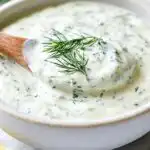
Dill Sauce Recipe
- Total Time: 5 minutes
- Yield: 4 servings 1x
- Diet: Vegetarian
Description
This creamy dill sauce is fresh, tangy, and packed with herby flavor. It’s quick to make and perfect for pairing with fish, chicken, roasted vegetables, or as a refreshing dip.
Ingredients
1/2 cup sour cream
1/4 cup mayonnaise
1 small garlic clove, finely minced or 1/2 teaspoon garlic powder or onion powder
3–4 tablespoons fresh dill, chopped
1 teaspoon lemon zest (optional)
1–2 teaspoons lemon juice
Salt and black pepper to taste
Instructions
1. In a small bowl, whisk together sour cream, mayonnaise, and garlic until smooth.
2. Add the chopped dill, lemon zest, lemon juice, and black pepper.
3. Mix well until everything is fully combined and creamy.
4. Taste and adjust with salt, more lemon juice, or pepper as needed.
5. Chill for 15 to 30 minutes before serving for best flavor.
Notes
Use yogurt instead of sour cream for a lighter, tangier version.
If using yogurt, add a little olive oil for extra richness.
Add finely chopped onion or parsley for extra flavor.
Mix in a bit of grated horseradish for a subtle kick.
Store in an airtight container in the fridge for up to 4 days.
- Prep Time: 5 minutes
- Cook Time: 0 minutes
- Category: Sauce
- Method: No cook
- Cuisine: American
Nutrition
- Serving Size: 2 tablespoons
- Calories: 90
- Sugar: 1g
- Sodium: 120mg
- Fat: 9g
- Saturated Fat: 3g
- Unsaturated Fat: 5g
- Trans Fat: 0g
- Carbohydrates: 2g
- Fiber: 0g
- Protein: 1g
- Cholesterol: 15mg
Optional additions: Finely chopped red onion (1 tablespoon) adds sweetness and texture. Fresh parsley (1 tablespoon) brightens the flavor profile. Grated horseradish (1/2 teaspoon) delivers a subtle kick for adventurous palates.
Step-by-Step Instructions
Combining the Base
- Whisk sour cream and mayonnaise together in a small bowl until completely smooth and uniform in color.
- Add the finely minced garlic clove and whisk vigorously for 30 seconds to distribute garlic throughout the creamy base.
Building Flavor
- Fold fresh dill into the cream mixture using a rubber spatula, combining gently until dill is evenly distributed throughout.
- Add lemon zest (if using) and whisk to combine, ensuring no clumps of zest remain.
- Pour in 1 teaspoon lemon juice and stir thoroughly, then taste the sauce before adding more juice.
- Sprinkle black pepper to taste and fold in gently using your spatula.
Seasoning and Finishing
- Taste the dill sauce and add salt gradually, whisking after each addition until the desired saltiness is achieved.
- Adjust lemon juice and pepper one more time if needed, tasting between adjustments.
- Transfer to a serving bowl or airtight container and refrigerate until ready to serve.
Chef Tips for Perfect Results
- Temperature matters: Remove sour cream from refrigerator 10 minutes before preparing. Cold sour cream is difficult to whisk smoothly and may remain lumpy.
- Fresh dill is essential: Freeze fresh dill in ice cube trays with water during peak season, then use frozen cubes year-round for consistent flavor that dried dill cannot match.
- Taste as you go: Lemon juice and salt intensity vary by brand and season. Constant tasting prevents over-seasoning mistakes that cannot be reversed.
- Use microplane zester: This tool creates the finest lemon zest, which distributes more evenly than hand-grated zest and provides superior flavor release.
- Substitute yogurt strategically: If using yogurt instead of sour cream, use only 1 teaspoon lemon juice initially, as yogurt is already tangy. Add more juice only after tasting.
- Make ahead confidently: Prepare dill sauce up to 24 hours in advance, but fold in fresh dill no more than 4 hours before serving to preserve bright color and delicate flavor.
Common Mistakes to Avoid
Using Dried Dill Instead of Fresh
Why it fails: Dried dill loses approximately 90 percent of its volatile oils during the drying process, resulting in a muted, dusty flavor that tastes nothing like fresh dill. The sauce becomes one-dimensional and lacks the bright, herbaceous character that makes this recipe special. How to fix it: Always use fresh dill fronds chopped just before making the sauce. If fresh dill is unavailable, skip this recipe rather than substituting dried dill, or grow fresh dill in a sunny windowsill year-round.
Adding Too Much Lemon Juice at Once
Why it fails: Dumping 2 teaspoons of lemon juice in without tasting first creates an overly acidic sauce that masks the subtle flavors of fresh dill and cream. The lemon flavor becomes dominant and unpleasant, overwhelming any food it accompanies. How to fix it: Start with 1 teaspoon lemon juice and whisk thoroughly. Taste, then add lemon juice in quarter-teaspoon increments until the acidity complements rather than dominates the sauce.
Skipping the Lemon Zest
Why it fails: Lemon zest provides aromatic compounds that lemon juice alone cannot deliver, adding complexity and sophistication to the finished sauce. Without zest, the sauce tastes pleasant but one-note and lacks the restaurant-quality depth that elevates it above average condiments. How to fix it: Invest in a quality microplane zester and add 1 teaspoon lemon zest during the initial mixing phase. This single addition transforms a good sauce into an exceptional one.
Failing to Taste and Adjust
Why it fails: Every batch of sour cream, mayo, and fresh dill varies slightly in salt content, acidity, and flavor intensity. Skipping the tasting step means you cannot compensate for these natural variations, resulting in underseasoned or overseasoned sauce. How to fix it: Always taste the sauce after each major ingredient addition. Adjust salt, lemon juice, and pepper to your specific preferences and ingredients. What works one week may need tweaking the next.
Using Cold Sour Cream Straight from Refrigerator
Why it fails: Cold sour cream is stiff and difficult to whisk, often remaining lumpy instead of achieving the smooth, uniform texture necessary for an elegant sauce. Lumpy sauce looks homemade and unprofessional while distributing flavors unevenly. How to fix it: Remove sour cream from the refrigerator 10 minutes before beginning preparation. This small step allows the product to warm slightly, making it infinitely easier to whisk into a silky, lump-free base.
Variations and Substitutions
| Ingredient | Substitution | Impact on Flavor |
|---|---|---|
| Sour cream | Greek yogurt (full-fat) | Creates thicker, more tart sauce. Reduces creaminess slightly. Add 1-2 teaspoons olive oil for richness. |
| Sour cream | Plain yogurt | Produces tangier sauce with lighter texture. May require less lemon juice. Add 1-2 teaspoons olive oil for body. |
| Sour cream | Vegan yogurt | Creates plant-based version with similar tang. Use coconut or cashew-based yogurt for best richness and texture. |
| Mayonnaise | Avocado mayo | Adds subtle avocado flavor and superior nutrition. Creates slightly less tangy sauce. Reduces lemon juice slightly. |
| Mayonnaise | Vegan mayo | Maintains creamy texture for dairy-free version. Flavor remains neutral, allowing dill and lemon to shine. |
| Fresh dill | Fresh tarragon | Creates French-inspired sauce with licorice undertones. Use same quantity. Flavor becomes more sophisticated and anise-forward. |
| Fresh dill | Fresh parsley plus chives | Produces milder herb sauce with less distinctive character. Use 2 tablespoons parsley and 1 tablespoon chives combined. |
| Garlic | Garlic powder | Eliminates raw garlic bite while maintaining flavor. Use 1/2 teaspoon. Sauce loses slight texture variation from minced garlic. |
| Lemon zest and juice | Lime zest and juice | Creates tropical variation with different brightness. Use same quantities. Flavor becomes more assertive and citrus-forward. |
Serving Suggestions and Pairings
Dill sauce transforms simple proteins into restaurant-quality meals through strategic pairing and presentation. This versatile condiment complements specific dishes far better than generic cream sauces, elevating each component while maintaining balanced flavors.
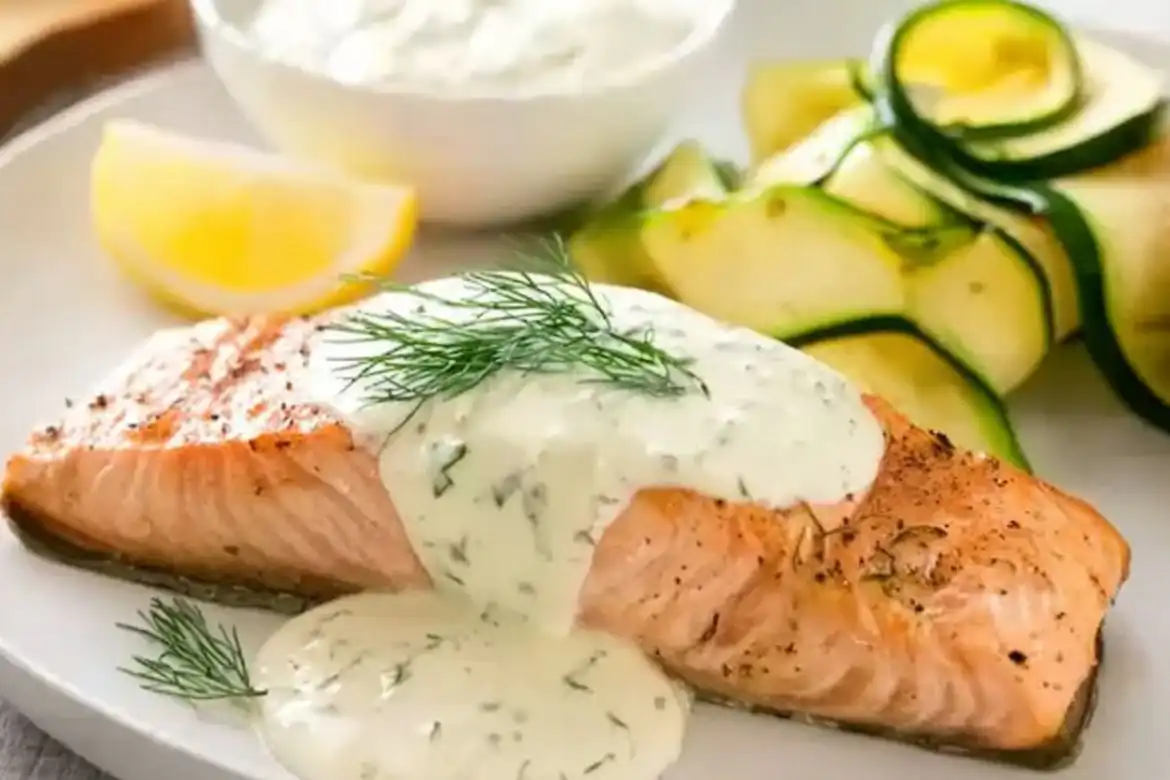
Seafood applications: Serve dill sauce alongside grilled salmon fillets, pan-seared scallops, or baked halibut. The fresh herb flavor cuts through rich fish oils while the creamy base prevents overwhelming delicate meat. For cold preparations, drizzle dill sauce over smoked salmon canapés or toss with chilled shrimp for elegant appetizers.
Vegetable pairings: Use dill sauce as a dip for roasted asparagus spears, blanched green beans, or grilled zucchini rounds. The tangy cream pairs exceptionally well with roasted root vegetables like potatoes, carrots, and beets. Serve alongside baked sweet potatoes for a casual yet sophisticated side dish.
Meat and poultry: Dollop dill sauce over grilled chicken breasts, roasted turkey meatballs, or lean beef kebabs. The acidity and fresh herbs balance rich meat flavors without heaviness. Serve on the side for elegant plated presentations or mixed into warm roasted potatoes for a composed side dish.
Occasion-specific uses: Present dill sauce at casual family dinners, formal dinner parties, and summer barbecues. Serve in small bowls alongside vegetable crudités at cocktail parties. Use as a spread for fish tacos or mixed into grain bowls for quick weeknight meals.
Bread and starches: Serve dill sauce alongside toasted bread rounds, homemade crackers, or pita chips for pre-dinner nibbles. Use as a spread on cucumber sandwiches or mixed into potato salads for enhanced flavor.
Storage and Reheating
| Method | Duration | Instructions |
|---|---|---|
| Refrigerator (Standard) | Up to 4 days | Transfer to airtight container, seal tightly, and store on refrigerator shelf away from strong-smelling foods. Do not store near onions or garlic. |
| Refrigerator (With Fresh Dill) | Up to 2 days | If dill was added after mixing, consume within 2 days for optimal color and flavor. Fresh dill oxidizes and darkens over time. |
| Freezer (Base Only) | Up to 3 months | Freeze the sour cream and mayo base without dill in ice cube trays. Thaw in refrigerator overnight and add fresh dill before serving. |
| Serving Cold | Immediate | Remove from refrigerator 10 minutes before serving. Stir well and transfer to serving bowl. Cold sauce is ideal for most applications. |
| Bringing to Room Temperature | 30 minutes | Remove from refrigerator and let sit on counter for 30 minutes, stirring occasionally. Room temperature sauce is more flavorful than cold sauce. |
Nutritional Information
The following nutritional values are approximate and based on standard ingredients. Actual values vary by specific brands and preparation methods. One serving equals approximately 3 tablespoons of dill sauce.
| Nutrient | Amount per Serving |
|---|---|
| Calories | 85-95 |
| Total Fat | 8-9 grams |
| Saturated Fat | 4-5 grams |
| Cholesterol | 15-20 milligrams |
| Sodium | 90-120 milligrams |
| Total Carbohydrates | 1-2 grams |
| Dietary Fiber | 0 grams |
| Protein | 1-1.5 grams |
Dill sauce is relatively low in carbohydrates and provides beneficial fats from mayonnaise and sour cream. Fresh dill contributes minimal calories while adding significant flavor and antioxidants. This recipe is suitable for low-carb and keto diets when served in moderate portions.
Conclusion
Dill sauce is an incredibly simple yet elegant condiment that elevates any meal through bright herb flavor and creamy richness. This five-minute recipe delivers restaurant-quality results using pantry staples, making it accessible to every cook regardless of experience level. Master the basic formula by tasting and adjusting each component, then explore variations that match your specific ingredients and preferences. Whether you serve it alongside grilled salmon, roasted vegetables, or casual weeknight chicken, this creamy dill sauce will become your go-to complement for countless dishes.