Table of Contents
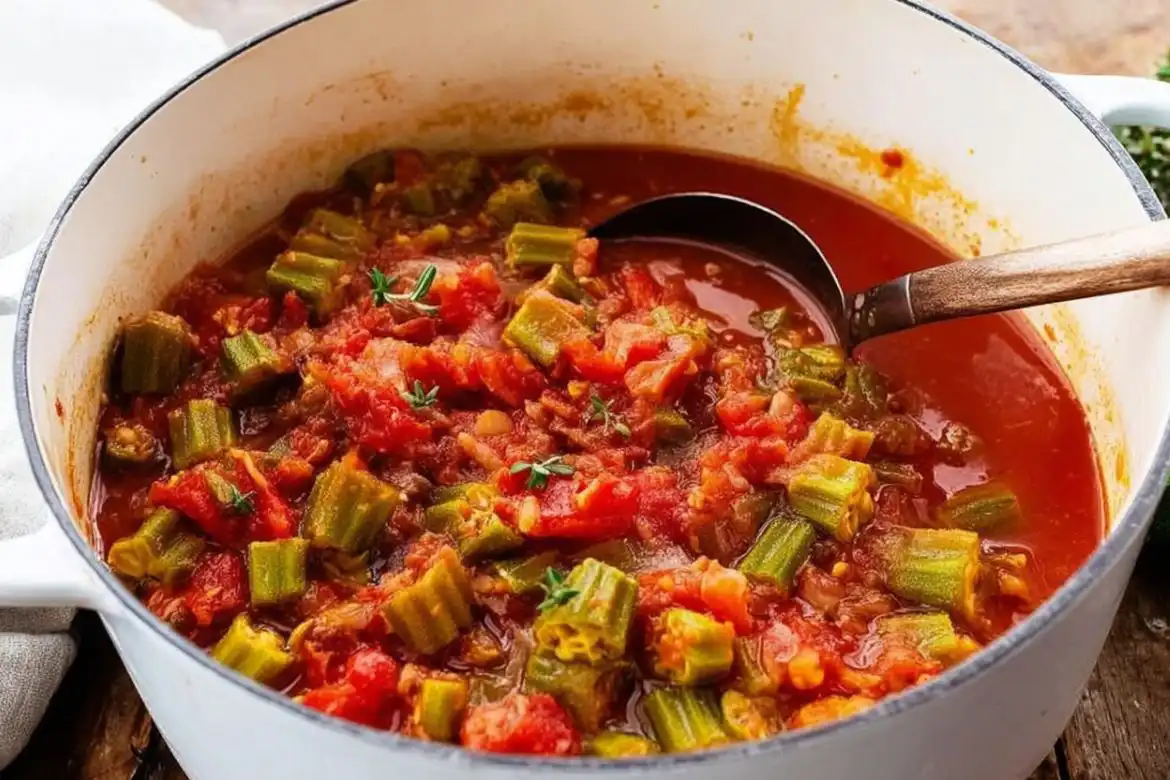
Okra and tomatoes create a tender, flavorful side dish that brings authentic Southern cooking to your table. This one-skillet recipe combines crispy turkey bacon, sweet Vidalia onions, and garden-fresh vegetables into a savory medley ready in under 30 minutes.
| Metric | Value |
|---|---|
| Prep Time | 15 minutes |
| Cook Time | 27-32 minutes |
| Total Time | 42-47 minutes |
| Servings | 4-6 |
| Difficulty | Easy |
| Cuisine | Southern American |
Why This Recipe Works
I discovered the magic of okra and tomatoes during a summer visit to my grandmother’s kitchen in Georgia. She taught me that the key lies in rendering turkey bacon fat first, which infuses the entire dish with savory depth without any heaviness. The tomatoes’ acidity balances the natural earthiness of okra, transforming what many people avoid into something genuinely craveable.
This recipe respects the ingredient timeline perfectly. Turkey bacon crisps in just five minutes, creating a flavorful base for the aromatics. The tomatoes simmer long enough to concentrate their sweetness while the okra cooks just until tender, staying bright green rather than turning gray and slimy. Each element contributes exactly what it should.
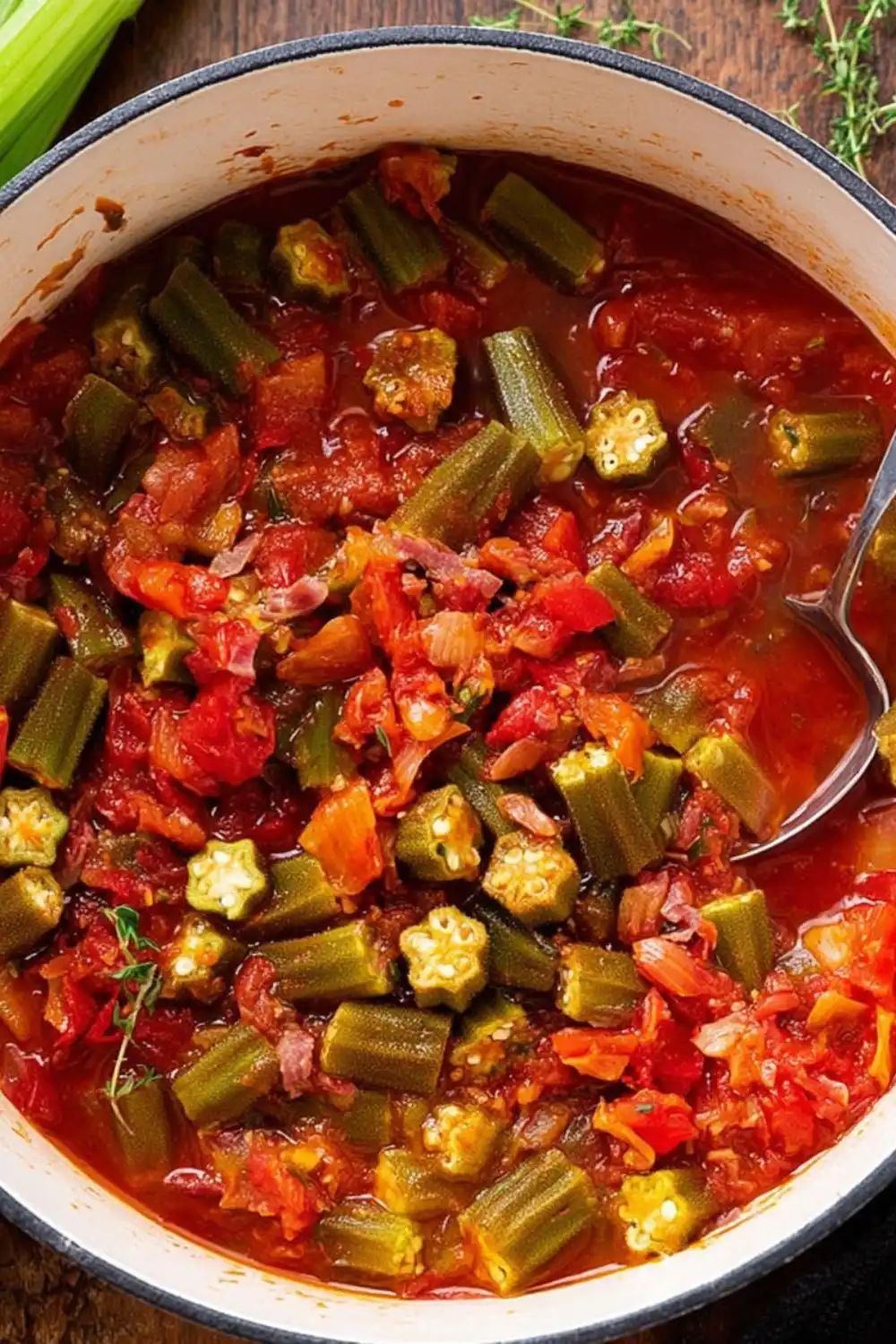
The beauty of okra and tomatoes lies in its versatility and accessibility. Whether you’re working with peak-season farmers market finds or convenient frozen and canned alternatives, this dish delivers consistent, deeply satisfying flavor. The balance of salt, vinegar, and Worcestershire sauce creates complexity without requiring exotic ingredients.
Ingredients
| Ingredient | Quantity | Notes |
|---|---|---|
| Turkey bacon, diced | 5 slices | Use nitrate-free if possible. Lean poultry bacon adds flavor without excessive fat. |
| Vidalia onion, diced | 1 small | Sweet variety prevents sharp bite. Substitute: yellow onion (add pinch sugar to balance) |
| Garlic, minced | 2 cloves | Fresh always superior. Substitute: 1/2 teaspoon garlic powder (use half amount) |
| Diced tomatoes with juices | 2 cans (14.5 oz each) | San Marzano variety preferred. Fresh tomatoes: 2.5 cups diced, plus 0.5 cup liquid |
| Sugar | 1 tablespoon | Balances tomato acidity. Omit if using fresh peak-season tomatoes. |
| Fresh thyme leaves | 2 teaspoons | Herbaceous note essential to dish. Substitute: 1/2 teaspoon dried thyme |
| Dried bay leaf | 1 | Adds depth. Remove before serving without exception. |
| Apple cider vinegar | 1/2 teaspoon | Brightens flavors. Substitute: white vinegar or lemon juice |
| Worcestershire sauce | 1/2 teaspoon | Umami foundation. Ensure halal certified brand if needed. |
| Fresh or frozen okra, trimmed and sliced | 2 cups, 1/2-inch pieces | Fresh superior in summer. Frozen requires 1-2 minutes less cooking time. |
| Salt and pepper | To taste | Season incrementally at end. Start with 1/2 teaspoon salt, 1/4 teaspoon pepper. |

Okra and Tomatoes Recipe
- Total Time: 40 minutes
- Yield: 4 servings 1x
- Diet: Gluten Free
Description
Okra and tomatoes is a classic Southern comfort dish simmered in a rich, savory tomato sauce with tender okra and a hint of smoky flavor. Simple, hearty, and full of bold taste, this one-pan recipe is perfect for an easy family meal or a cozy side dish.
Ingredients
5 slices turkey bacon, diced
1 small Vidalia onion, diced
2 cloves garlic, minced
2 (14.5 ounce) cans diced tomatoes, not drained
1 tablespoon sugar
2 teaspoons fresh thyme leaves or 1/2 teaspoon dried thyme
1 dried bay leaf
1/2 teaspoon apple cider vinegar
1/2 teaspoon Worcestershire sauce
2 cups fresh or frozen okra, trimmed and cut into 1/2 inch pieces
Salt and pepper to taste
Instructions
1. Cook turkey bacon in a large skillet or Dutch oven over medium heat until starting to crisp and fat is rendered, about 5 minutes
2. Add diced onion and garlic, then saute for another 5 minutes until softened and fragrant
3. Stir in diced tomatoes with their juices, sugar, thyme, bay leaf, vinegar, and Worcestershire sauce
4. Scrape the bottom of the pan to deglaze and release any browned bits
5. Reduce heat to low and simmer uncovered for 10 minutes
6. Add okra, cover, and continue simmering until tender, about 10 to 12 minutes for fresh or 7 to 8 minutes for frozen
7. Remove bay leaf and season with salt and pepper to taste
8. Serve warm and enjoy
Notes
Fresh okra and tomatoes work best in summer, but frozen okra and canned tomatoes are great year round
No need to thaw frozen okra before cooking
If using fresh tomatoes, use about 2 1/2 cups diced and add 1/2 cup liquid like water or broth
Add shrimp or sausage for a heartier dish
Try Creole seasoning or cayenne for extra spice
Corn can be added for extra texture and sweetness
- Prep Time: 15 minutes
- Cook Time: 25 minutes
- Category: Side Dish
- Method: Stovetop
- Cuisine: Southern
Nutrition
- Serving Size: 1 serving
- Calories: 180
- Sugar: 8g
- Sodium: 420mg
- Fat: 9g
- Saturated Fat: 3g
- Unsaturated Fat: 5g
- Trans Fat: 0g
- Carbohydrates: 18g
- Fiber: 4g
- Protein: 7g
- Cholesterol: 15mg
Step-by-Step Instructions
Render the Turkey Bacon Base
- Cook the diced turkey bacon in a large skillet or Dutch oven over medium-high heat for approximately 5 minutes, stirring occasionally, until starting to crisp and fat is rendered.
- Add the diced Vidalia onion directly to the rendered turkey bacon fat, stirring to coat.
- Cook the onion mixture for 5 more minutes, stirring frequently, until the onion softens and begins to caramelize.
Build the Sauce Foundation
- Add the minced garlic to the pan, stirring constantly for exactly 30 seconds until fragrant.
- Pour in the canned diced tomatoes with all their accumulated juices, allowing the liquid to deglaze the pan and release the browned bits from the bottom.
- Stir in the sugar, fresh thyme leaves, dried bay leaf, apple cider vinegar, and Worcestershire sauce, combining thoroughly.
- Reduce the heat to low and allow the mixture to simmer, uncovered, for exactly 10 minutes without stirring.
Cook the Okra Until Tender
- Add the trimmed and sliced okra to the simmering tomato sauce, stirring to distribute evenly throughout the liquid.
- Cover the skillet or Dutch oven with a fitted lid and simmer over low heat for 10 to 12 minutes if using fresh okra, or 7 to 8 minutes if using frozen okra.
- Stir the okra occasionally during cooking to ensure even tenderness and flavor distribution.
Finish and Season
- Remove the bay leaf from the pot and discard before proceeding.
- Taste the okra and tomatoes and season with salt and freshly cracked pepper incrementally, adjusting to your preference.
- Serve the okra and tomatoes immediately while still hot, spooning the sauce generously over each portion.
Chef Tips for Perfect Results
- Render turkey bacon fat completely before adding aromatics to build a flavorful fond layer that will deglaze with tomato juice, creating depth and body in the final dish.
- Do not skip the 10-minute uncovered simmer after adding tomatoes; this concentrates flavor and allows acidity to mellow while sugar caramelizes slightly against the pan.
- Use frozen okra without thawing and reduce cooking time by 2 to 3 minutes; frozen okra releases water as it cooks, which actually tenderizes the pieces more evenly than fresh.
- Remove the bay leaf before serving absolutely; a guest biting into this will create an unpleasant papery texture that ruins the eating experience.
- Season only at the end after okra is fully tender, as salt draws moisture from vegetables during cooking and can make okra mushy if added too early.
- Use a heavy-bottomed skillet or Dutch oven rather than a thin aluminum pan; this prevents hot spots and ensures even heating that keeps okra tender rather than creating some mushy pieces alongside firm ones.
Common Mistakes to Avoid
Overcooking the Okra to Sliminess
Adding okra too early or cooking it beyond 12 minutes turns the vegetable slimy and unappetizing. The cellular structure breaks down, releasing its natural mucilage into the sauce. Fix this by adding okra only after the tomato base has simmered for a full 10 minutes, then cooking exactly to the timeframe your okra variety requires; set a timer and check texture at the minimum time first.
Not Rendering Turkey Bacon Fat Adequately
Rushing through the turkey bacon cooking step means insufficient fat renders to flavor the aromatics properly. The dish then tastes flat and one-dimensional rather than savory and complex. Heat cannot be rushed here; maintain medium-high heat for the full 5 minutes, stirring occasionally to ensure even rendering and light crisping across all pieces.
Skipping the Deglazing Step
Pouring tomato juice directly into the pan without scraping up browned bits wastes valuable caramelized flavors that develop during the turkey bacon and onion cooking. These fond particles dissolve into the liquid and amplify the umami foundation. Use a wooden spoon to deliberately scrape the pan’s bottom while adding tomatoes, ensuring every browned fleck incorporates into the sauce.
Adding Too Much Worcestershire Sauce
While Worcestershire adds necessary umami, using more than one-half teaspoon creates an overly intense, almost fishy background note that overwhelms the fresh vegetable flavors. Measure carefully using a measuring spoon; if you prefer deeper savory notes, add salt incrementally at the end rather than increasing Worcestershire during cooking.
Using Canned Tomatoes Without Juice
Draining tomato juice before adding to the pan removes the liquid that deglazes the pan and creates the sauce’s body. The okra cooks in concentrated flavors and can become tough rather than tender. Always use tomatoes with their juice; if using fresh tomatoes instead, add one-half cup of vegetable broth, chicken broth, or water to replace the liquid from canned varieties.
Variations and Substitutions
| Ingredient | Substitution | Impact on Flavor |
|---|---|---|
| Turkey bacon | Smoked poultry sausage, crumbled | Adds deeper smoke character and more robust meatiness; use 1.5 cups crumbled |
| Vidalia onion | Yellow or sweet Spanish onion | Yellow provides sharper onion notes requiring extra sugar; Spanish onion similar but firmer texture |
| Apple cider vinegar | Red wine vinegar or fresh lemon juice | Red wine adds subtle berry undertones; lemon juice brightens without wine character |
| Fresh thyme | Oregano or Italian seasoning | Oregano creates Mediterranean profile; Italian seasoning adds basil sweetness |
| Canned diced tomatoes | Fresh heirloom tomatoes, seeded and diced | Peak-season tomatoes deliver fresher, sweeter character; reduce sugar to 1 teaspoon |
| Bay leaf | Thyme sprig or sage leaf | Thyme sprig echoes already-present herb; sage adds peppery earthiness |
| Standard okra pieces | Corn kernels or green beans (addition) | Corn adds sweetness; green beans provide textural contrast without mucilage |
| None (base recipe) | Cajun seasoning (1/2 teaspoon added) | Creates Louisiana influence with paprika and cayenne heat; omit bay leaf if using |
Spicy Cajun Version
Add one-half teaspoon of Cajun seasoning along with the thyme, or increase heat with one-quarter teaspoon cayenne pepper stirred into the finished dish. This variation pairs beautifully with cornbread and rice for a complete meal reminiscent of New Orleans cooking.
Protein-Forward Option
Fold one pound of peeled, deveined shrimp or one pound of smoked poultry sausage cut into bite-sized pieces into the okra and tomatoes during the final 3 minutes of cooking. The shrimp requires only gentle heat to cook through, while sausage should be added earlier to warm throughout.
Garden Fresh Summer Version
During peak growing season, use fresh heirloom tomatoes, fresh-picked okra, and fresh basil or oregano instead of thyme. Reduce sugar to one teaspoon and add one-quarter cup fresh corn kernels with the okra for brightness and textural variety that celebrates seasonal abundance.
Serving Suggestions and Pairings
Serve okra and tomatoes as a stellar supporting act alongside grilled chicken breasts, baked white fish, or roasted turkey cutlets for weeknight dinners. This dish provides the vegetable component for any protein-centered plate while contributing its own satisfying depth.
Pair this skillet side with creamy stone-ground cornmeal polenta for a comforting, restaurant-quality dinner that feels special without requiring complicated technique. The sauce pools beautifully over the soft grain base, creating a dish worthy of company.
For casual summer gatherings, present okra and tomatoes alongside crispy fried chicken, buttered corn on the cob, and fresh biscuits straight from the oven. This combination creates an authentically Southern spread that immediately puts guests at ease and encourages seconds.
Spoon the warm okra and tomatoes over fluffy jasmine rice with grilled lemon wedges on the side for a vegetarian-friendly meal that becomes your go-to weeknight dinner. The rice absorbs the flavorful sauce while okra provides satisfying substance without heaviness.
Serve as part of a vegetable-focused mezze board for plant-based entertaining, pairing with roasted chickpeas, crispy vegetable fritters, and warm flatbread. The bright acidity and tender vegetables contribute a cooked element that balances raw vegetables and creamy dips.
Storage and Reheating
| Method | Duration | Instructions |
|---|---|---|
| Refrigerator Storage | Up to 4 days | Cool completely, transfer to airtight container, store in coldest section of refrigerator away from stronger-smelling foods |
| Freezer Storage | Up to 3 months | Cool completely, portion into freezer containers leaving 1-inch headspace for expansion, label with date, freeze flat for easy storage |
| Stovetop Reheating | 5-7 minutes | Transfer to skillet, heat over medium heat, stirring occasionally, until steaming throughout; add 1 to 2 tablespoons broth if sauce appears dried out |
| Microwave Reheating | 2-4 minutes | Transfer to microwave-safe dish, cover loosely with paper towel, heat at 50 percent power in 1-minute intervals, stirring between intervals |
| Oven Reheating | 12-15 minutes | Transfer to baking dish, cover with foil, heat at 325 degrees Fahrenheit until steaming, stirring halfway through |
Okra and tomatoes actually improve after one day in the refrigerator as flavors continue to meld and the turkey bacon imparts additional savory depth throughout the sauce. This makes the dish an excellent candidate for meal prep, particularly for lunch containers throughout the week.
When freezing, portion into individual containers for convenient grab-and-reheat lunches, or freeze in a large container for future family dinners. Frozen okra and tomatoes thaw gently on the stovetop without becoming mushy, provided you use medium rather than high heat during the reheating process.
Nutritional Information
Approximate values per serving (based on 4 servings):
| Nutrient | Amount per Serving |
|---|---|
| Calories | 185 kcal |
| Protein | 12 grams |
| Carbohydrates | 18 grams |
| Dietary Fiber | 3 grams |
| Total Fat | 7 grams |
| Saturated Fat | 2 grams |
| Cholesterol | 22 milligrams |
| Sodium | 480 milligrams |
| Potassium | 520 milligrams |
| Vitamin C | 18% Daily Value |
| Vitamin K | 22% Daily Value |
This okra and tomatoes recipe provides substantial vegetable servings with modest calories, making it ideal for balanced eating. Turkey bacon reduces fat content compared to traditional pork bacon while maintaining satisfying savory notes. The fiber from okra and tomatoes supports digestive health, while the vitamin C content strengthens immune function and collagen production.
Conclusion
Okra and tomatoes represents Southern comfort cooking at its finest, transforming humble vegetables into a dish that guests request by name. This straightforward recipe proves that authentic flavor requires no complicated techniques, only quality ingredients and careful timing. Master this one-skillet classic, and you’ll return to it season after season, finding new ways to serve it while its signature savory richness remains timeless and deeply satisfying.